Many women over 40 believe that achieving weight loss requires longer workouts, fewer calories, and constantly pushing themselves harder. While dedication is important, there comes a point where doing more is not always better. Your body relies on a healthy nervous system to regulate stress, recovery, energy, and overall well-being. When physical or emotional stress becomes excessive without adequate recovery, it may become more difficult to stay consistent with healthy habits and achieve long-term results.
The nervous system controls countless processes throughout the body, including heart rate, digestion, hormone regulation, sleep, and muscle recovery. Every workout, busy workday, family responsibility, and sleepless night adds to the total amount of stress your body must manage. Although short periods of stress are normal, chronic stress without sufficient recovery may leave you feeling physically and mentally drained.
Women often experience additional challenges during perimenopause and menopause as hormonal changes affect sleep quality, recovery, mood, and energy levels. When these natural changes are combined with demanding exercise programs and restrictive diets, the body may struggle to recover efficiently. This is why working harder does not always produce better results.
Instead of viewing recovery as a sign of weakness, think of it as an essential part of progress. Recovery allows your muscles to repair, your energy to replenish, and your body to adapt to exercise. Without it, maintaining consistency becomes much more difficult.
Signs your body may need more recovery include:
- Constant fatigue
- Poor-quality sleep
- Persistent muscle soreness
- Low motivation to exercise
- Increased stress
- Difficulty concentrating
- Reduced workout performance
- Feeling overwhelmed
Recovery is not about avoiding exercise. It is about finding the right balance between challenging your body and giving it enough time to recover. Sustainable weight loss depends on consistency, and consistency becomes much easier when your body feels energized rather than exhausted.
Listening to your body also helps reduce the likelihood of burnout. Taking a recovery day, getting more sleep, or reducing workout intensity when needed often supports better long-term progress than constantly pushing through fatigue.
WHY IT BACKFIRES
Many people assume that if progress slows, the solution is to exercise more and eat less. While this approach may produce short-term results for some individuals, it often becomes difficult to maintain over time. Excessive training combined with inadequate recovery can leave you feeling physically depleted and mentally frustrated.
When your body never has an opportunity to recover, workout quality often begins to decline. You may notice reduced strength, slower recovery between sessions, increased soreness, and less enthusiasm for exercise. These changes can make it harder to stay active consistently.
Chronic stress can also influence everyday habits. Poor recovery may reduce motivation to prepare nutritious meals, increase cravings for highly processed foods, and make healthy decisions feel more difficult. Over time, these behaviors may affect long-term weight management more than any individual workout.
Common signs that pushing harder may be backfiring include:
- Declining workout performance
- Frequent exhaustion
- Trouble sleeping
- Increased cravings
- Mood changes
- Reduced motivation
- Slower recovery
- Feeling constantly stressed
Many women also underestimate the importance of mental stress. Work responsibilities, caring for family members, financial pressures, and daily responsibilities all contribute to the body's overall stress load. Even if your workouts are well planned, high levels of emotional stress can still affect recovery.
Another misconception is that rest days slow progress. In reality, recovery is when your body adapts to training. Muscles repair, energy stores are replenished, and your body becomes stronger. Without these recovery periods, exercise becomes increasingly difficult to sustain.
Rather than measuring success by how exhausted you feel after every workout, focus on improvements in strength, energy, mobility, sleep quality, and consistency. These indicators often provide a better picture of long-term progress than simply burning more calories.
It's also important to recognize that every woman responds differently to exercise. Age, fitness level, sleep quality, nutrition, hormone changes, and overall health all influence recovery needs. A personalized approach almost always produces better long-term results than following an extremely demanding program designed for someone else.
BUILD A BETTER BALANCE
Supporting your nervous system does not require eliminating exercise or avoiding challenges. Instead, it means creating a balanced routine that allows your body to recover while continuing to make progress toward your goals. Sustainable weight loss is built through habits you can maintain for months and years rather than short periods of extreme effort.
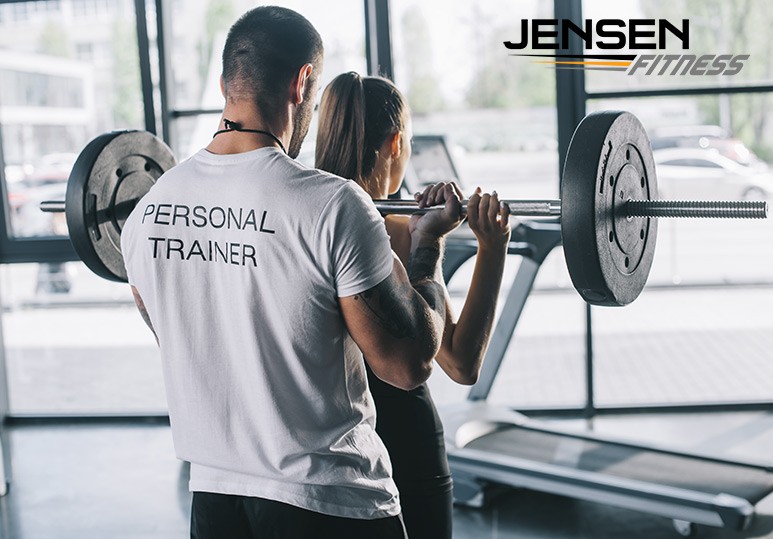
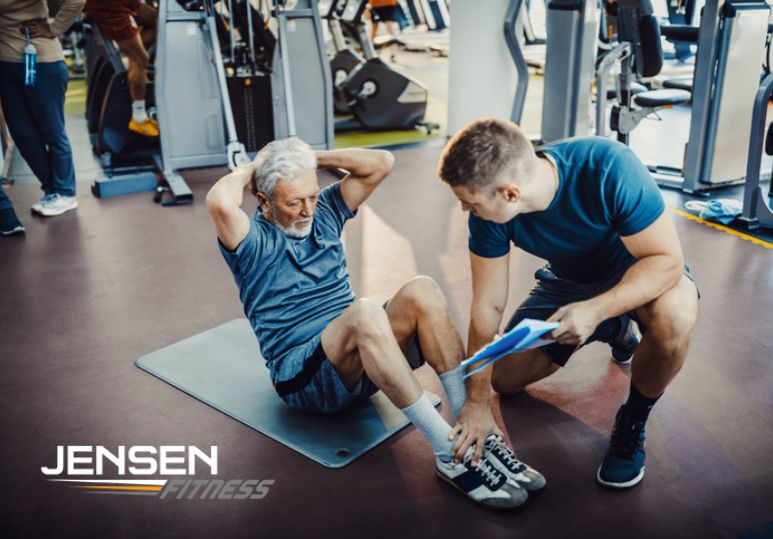
Strength training remains one of the best forms of exercise for women over 40. It helps preserve muscle mass, supports metabolism, improves bone health, and enhances daily function. The key is pairing effective training with adequate recovery.
Healthy lifestyle habits that support nervous system health include:
- Regular strength training
- Quality sleep
- Balanced nutrition
- Daily movement
- Stress management
- Proper hydration
- Rest days
- Consistent recovery routines
Sleep deserves special attention because it influences recovery, mood, energy, and overall well-being. Prioritizing seven to nine hours of quality sleep whenever possible helps your body repair from daily stress while supporting healthy lifestyle habits.
Nutrition also plays an essential role. Eating balanced meals with adequate protein, healthy fats, complex carbohydrates, and nutrient-dense foods provides your body with the fuel it needs to recover from exercise and maintain energy throughout the day.
Managing stress is equally important. Activities such as walking, stretching, meditation, deep breathing, yoga, spending time outdoors, or simply taking a few quiet moments each day can help support overall well-being while reducing feelings of overwhelm.
Helpful recovery strategies include:
- Taking scheduled rest days
- Walking instead of doing another intense workout
- Practicing deep breathing
- Stretching after exercise
- Spending time outdoors
- Maintaining a consistent bedtime
- Staying hydrated
- Listening to your body's signals
Remember that recovery is productive. Every healthy meal, every good night's sleep, every walk, and every rest day contributes to your long-term success. These habits work together to improve consistency, which ultimately produces better results than constantly chasing harder workouts.
If you continually feel exhausted despite making healthy lifestyle changes, consider speaking with a qualified healthcare provider. Persistent fatigue, poor sleep, or difficulty recovering may have underlying causes that deserve further evaluation.
Many women also benefit from changing how they measure progress. Instead of focusing only on the number on the scale, pay attention to improvements in strength, energy, sleep quality, mood, recovery, and daily function. These indicators often reflect meaningful health improvements long before significant changes in body weight occur. Celebrating these small victories can help you stay motivated and committed to healthy habits over the long term.
Building resilience also means recognizing that every day will not be perfect. Busy schedules, family commitments, work responsibilities, and unexpected life events can sometimes interrupt your routine. Rather than viewing these moments as failures, focus on returning to your healthy habits as soon as possible. Consistency over months and years is far more important than achieving perfection every day.
Simple habits that help support both your nervous system and long-term weight loss include:
- Prioritizing regular meal times
- Taking short walking breaks throughout the day
- Spending time outdoors whenever possible
- Practicing mindfulness or deep breathing
- Staying hydrated
- Limiting excessive caffeine intake
- Creating a consistent bedtime routine
- Allowing yourself adequate recovery between workouts
Remember that your body responds best when exercise, nutrition, sleep, and recovery work together. No single workout, meal, or day will determine your success. Lasting results come from building a lifestyle that supports both your physical and mental well-being. By respecting your body's need for recovery instead of constantly pushing harder, you create a healthier environment for sustainable weight loss, improved energy, better performance, and healthy aging. This balanced approach not only helps you reach your goals but also makes those results easier to maintain for years to come.
The goal is not to train less. The goal is to train smarter. By supporting your nervous system through balanced exercise, proper recovery, quality sleep, nutritious food, and effective stress management, you create an environment where your body can perform at its best. Over time, this balanced approach helps improve energy, supports sustainable weight loss, enhances recovery, and promotes healthy aging without the constant cycle of overtraining and burnout.