Many women over 40 begin exploring peptides after hearing claims about faster fat loss, improved hormone balance, increased energy, and easier muscle maintenance. Social media, podcasts, and online advertisements often present peptides as breakthrough solutions for common concerns experienced during perimenopause and menopause. While some peptides are being researched or prescribed in specific medical settings, they are not a replacement for the healthy habits that consistently produce lasting results.
Hormonal changes during midlife can make it more difficult to lose weight, maintain muscle, recover from exercise, and manage energy levels. These changes are real, and they often require a different approach to fitness and nutrition than what may have worked in your 20s or 30s. However, the foundation of good health has not changed. Consistent strength training, balanced nutrition, quality sleep, stress management, and regular movement remain the primary drivers of fat loss, metabolic health, and overall well-being.
Peptides may have a role for some women under the guidance of a qualified healthcare provider, but they should be viewed as one possible tool rather than the solution itself. Without healthy daily habits, even the most promising therapies are unlikely to deliver meaningful or sustainable results.
Lifestyle habits provide benefits that extend far beyond body weight. They support cardiovascular health, bone density, muscle preservation, insulin sensitivity, mood, mobility, and long-term independence. These improvements are difficult to achieve through any single treatment alone.
Healthy lifestyle habits include:
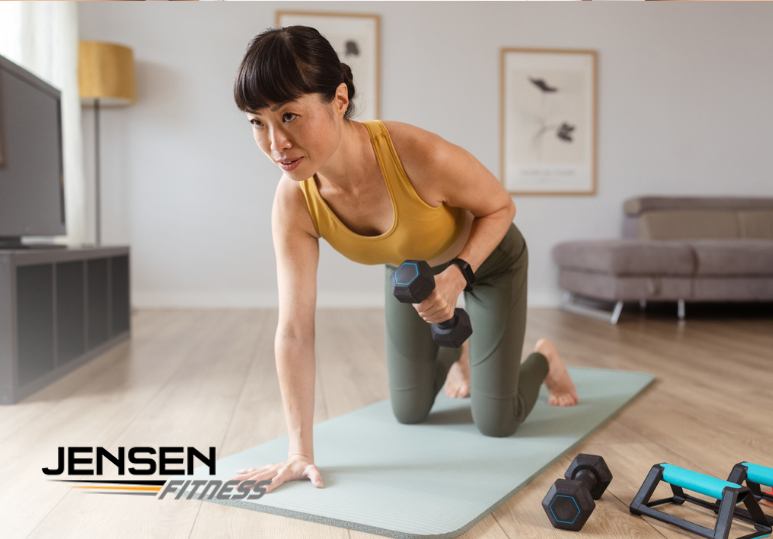
- Regular strength training
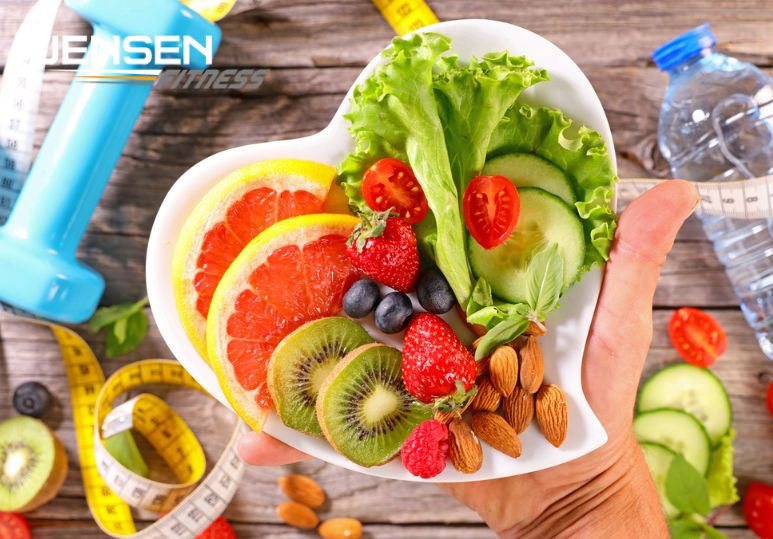
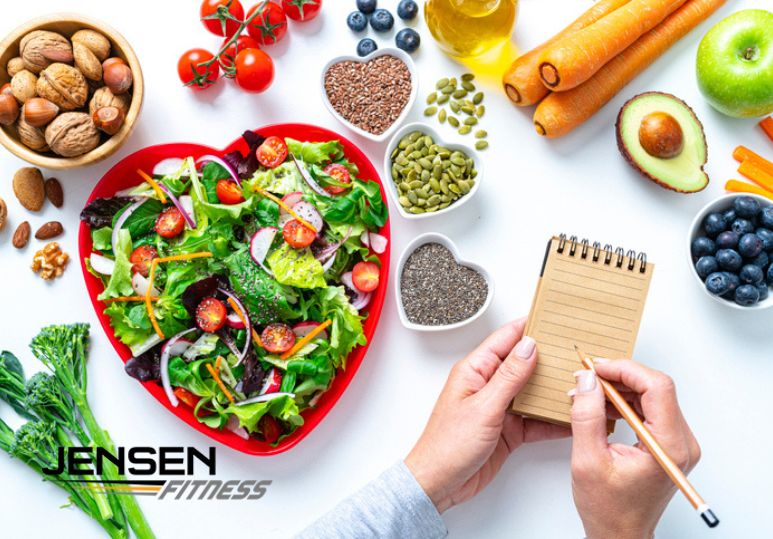
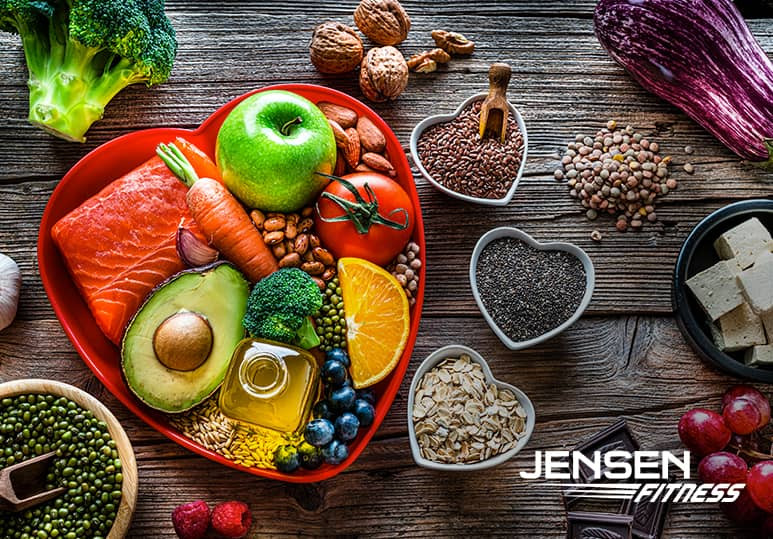
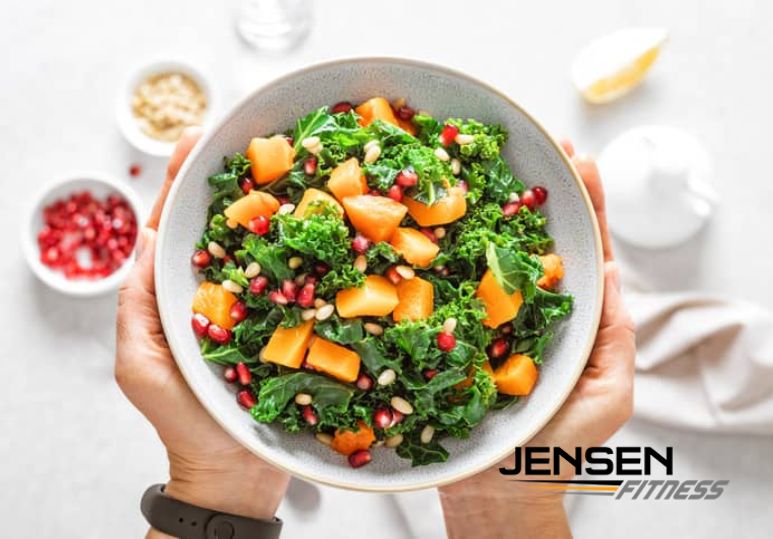
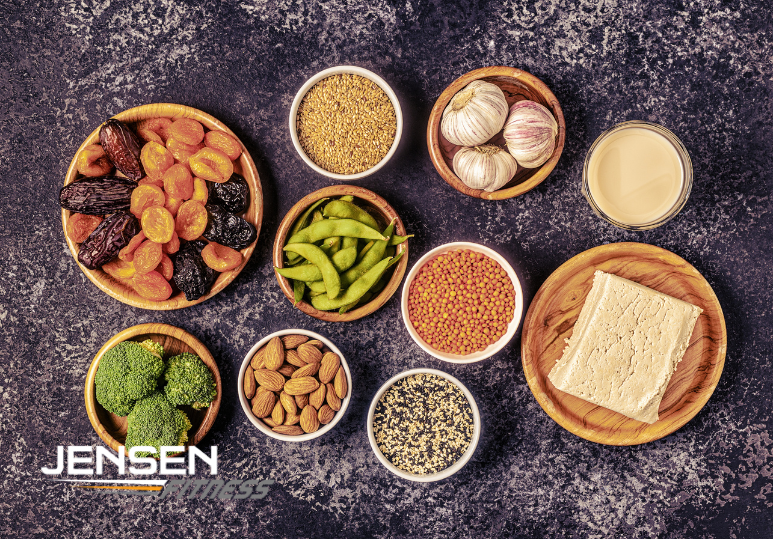
- Balanced nutrition
- Daily physical activity
- Quality sleep
- Stress management
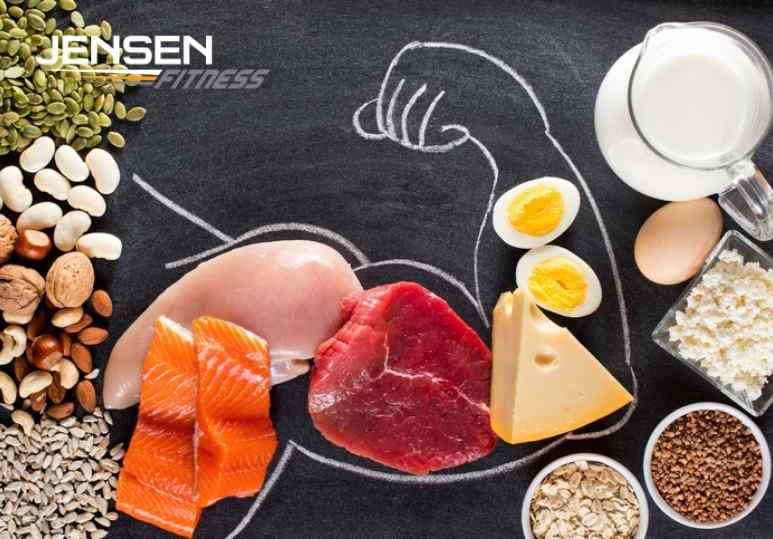
- Adequate protein intake
- Proper hydration
- Consistent recovery
Many women are surprised to learn that relatively small, sustainable changes often outperform aggressive short-term strategies. Building healthy routines that can be maintained for years is far more effective than relying on temporary solutions that become difficult to continue.
Lifestyle habits also work together. Better sleep improves recovery. Better recovery supports stronger workouts. Strength training helps preserve muscle and supports metabolism. Proper nutrition fuels exercise while helping regulate hunger and energy levels. These habits reinforce one another to create lasting improvements in health.
Instead of asking whether peptides or lifestyle changes are better, a more useful question is whether the foundation has already been built. If healthy habits are inconsistent, improving them will almost always produce the greatest return on investment.
PEPTIDES EXPLAINED
Peptides are naturally occurring chains of amino acids that help regulate numerous functions throughout the body. Different peptides serve different purposes, which means there is no single peptide that provides every claimed benefit. Some influence hormone signaling, others affect appetite regulation, tissue repair, or cellular communication.
Because there are many different peptides, discussing them as though they all work the same way creates confusion. Each peptide has its own mechanism of action, level of scientific evidence, potential benefits, and possible risks.
Some peptides are prescribed by healthcare providers for specific medical purposes, while others continue to be studied in clinical research. The amount of scientific evidence varies considerably depending on the individual peptide.
Common claims associated with peptides include:
- Faster fat loss
- Increased muscle growth
- Better workout recovery
- Improved sleep
- Higher energy levels
- Healthier skin
- Improved metabolism
- Support for healthy aging
Although these claims receive significant attention online, results are not guaranteed. Many factors influence body composition and hormone health, including genetics, age, nutrition, activity level, sleep quality, stress, medications, and existing medical conditions.
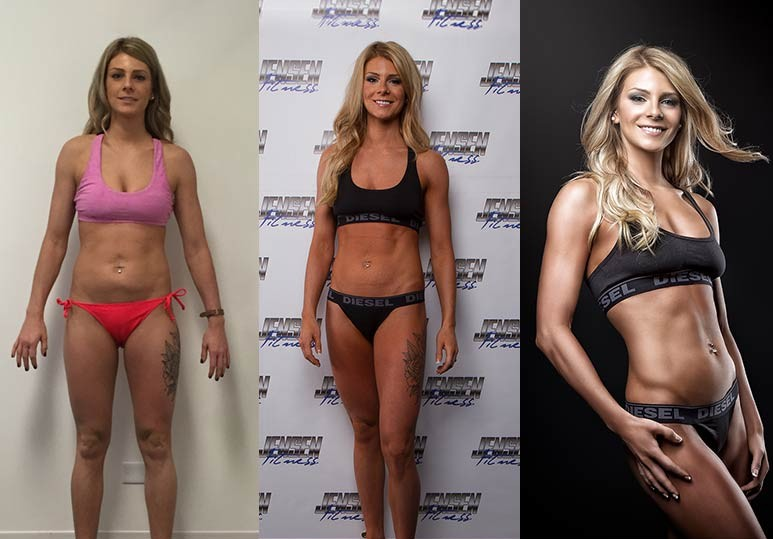
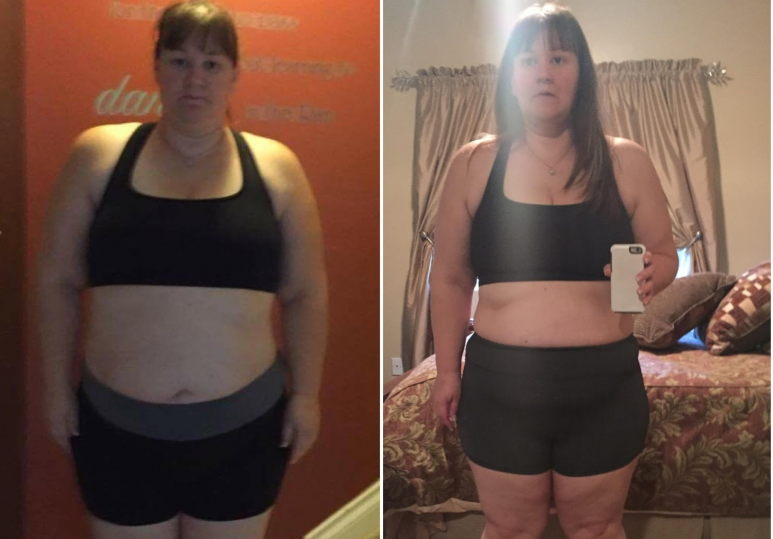
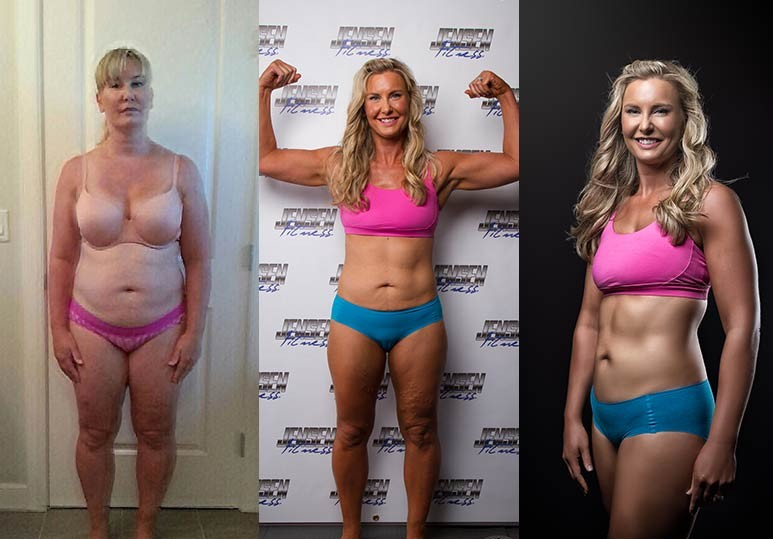
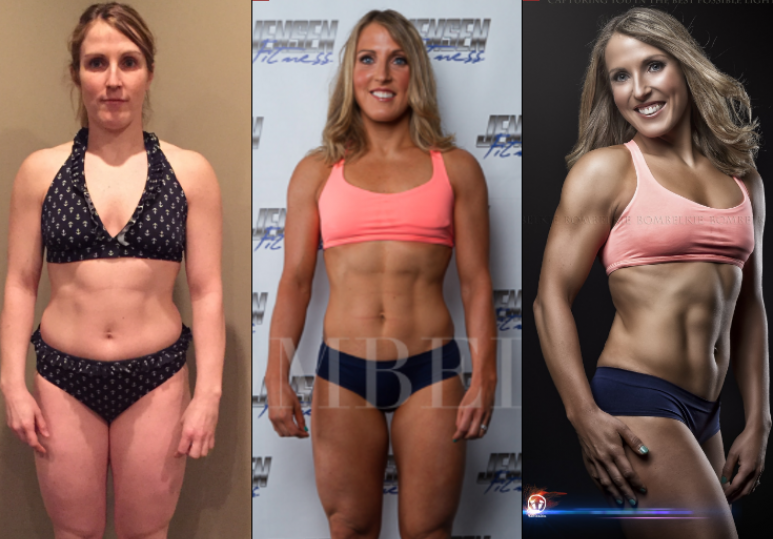
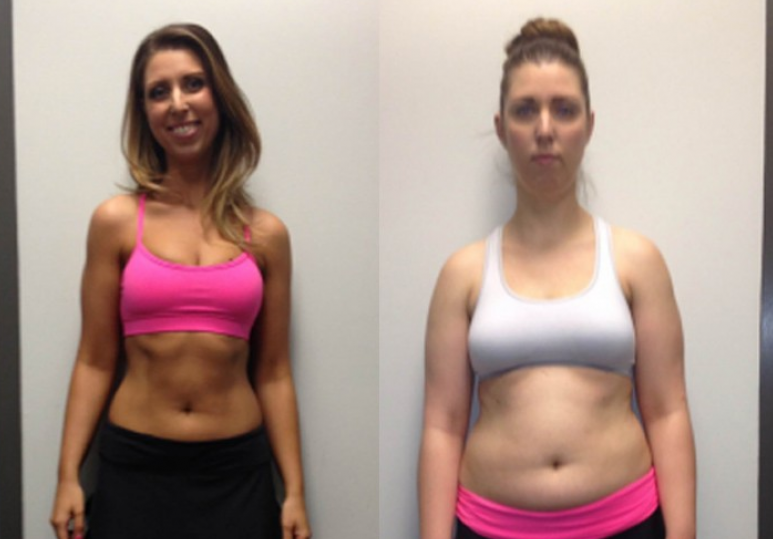
Women over 40 should also understand that many online testimonials do not reflect typical results. Social media often highlights dramatic success stories while overlooking the importance of nutrition, exercise, consistency, and professional medical supervision.
Another important consideration is product quality. Purchasing peptides from unreliable sources increases the risk of receiving products that have not been properly manufactured or tested. This is one reason why medical guidance is essential when discussing peptide therapy.
Before considering peptides, ask yourself several important questions:
- What evidence supports this peptide?
- Is it appropriate for my health history?
- What are the possible side effects?
- Will medical monitoring be required?
- What results are realistic?
- Are my expectations reasonable?
- Have I optimized my lifestyle first?
- Have I discussed this with my healthcare provider?
These questions encourage informed decision-making rather than emotional decision-making based on advertising or social media trends.
It is also worth remembering that even when peptides are medically appropriate, they typically work best alongside healthy lifestyle habits. They do not eliminate the need for regular exercise, nutritious food choices, quality sleep, or stress management.
For women navigating perimenopause or menopause, focusing exclusively on peptides while ignoring daily habits often leads to disappointment. Sustainable progress almost always comes from addressing the entire picture rather than searching for one solution.
THE BEST APPROACH
The most successful long-term strategy for fat loss and hormone health is not choosing peptides instead of lifestyle change. It is building a strong lifestyle foundation first and then discussing additional options with a qualified healthcare provider if appropriate.
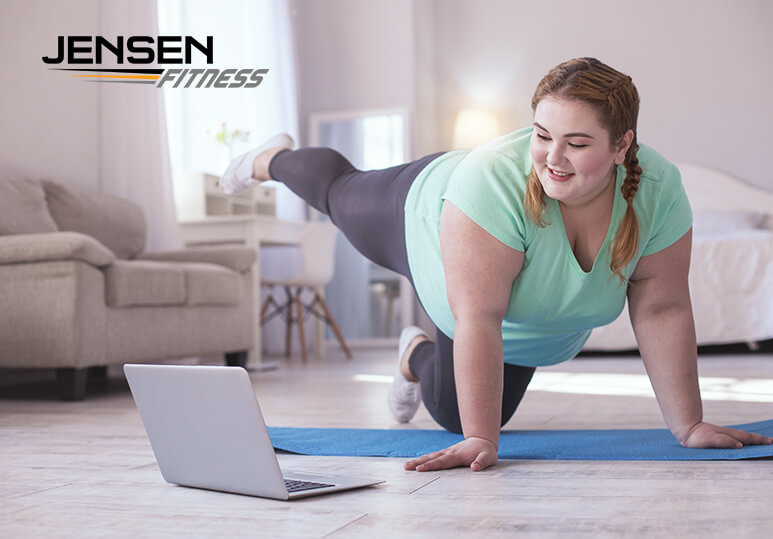
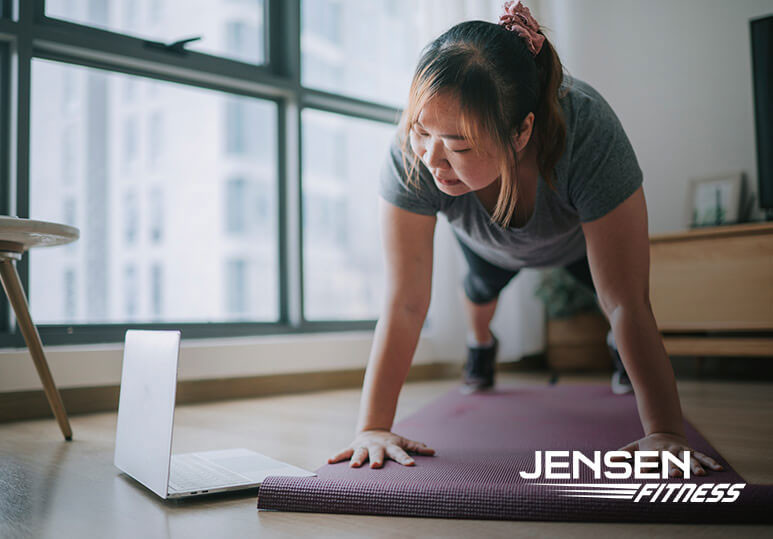
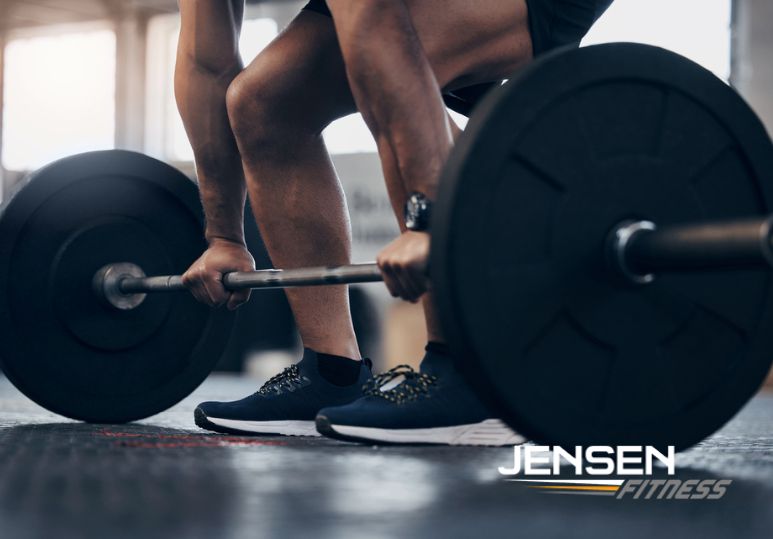
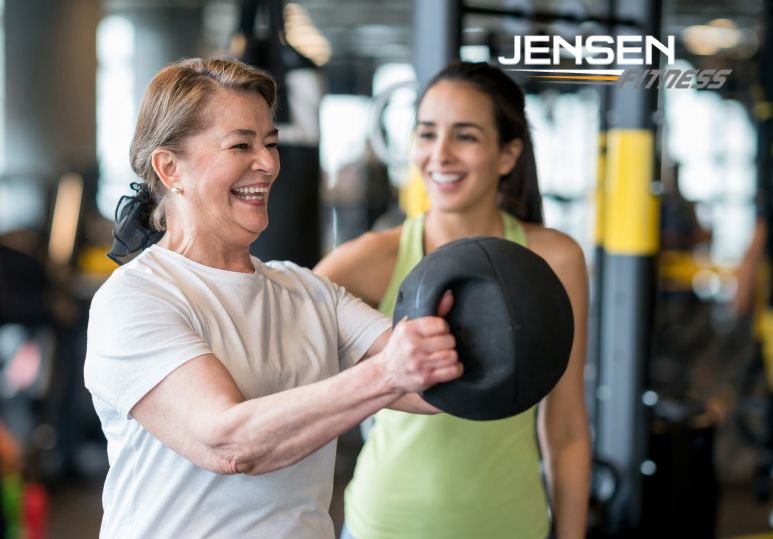
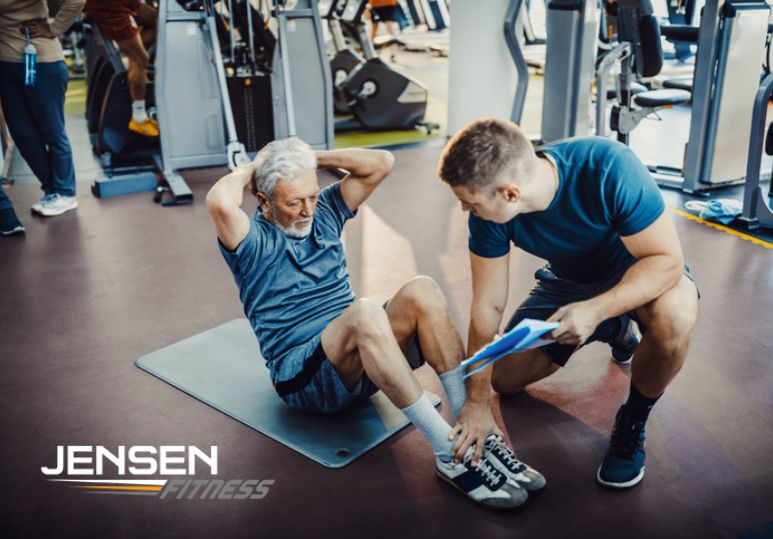
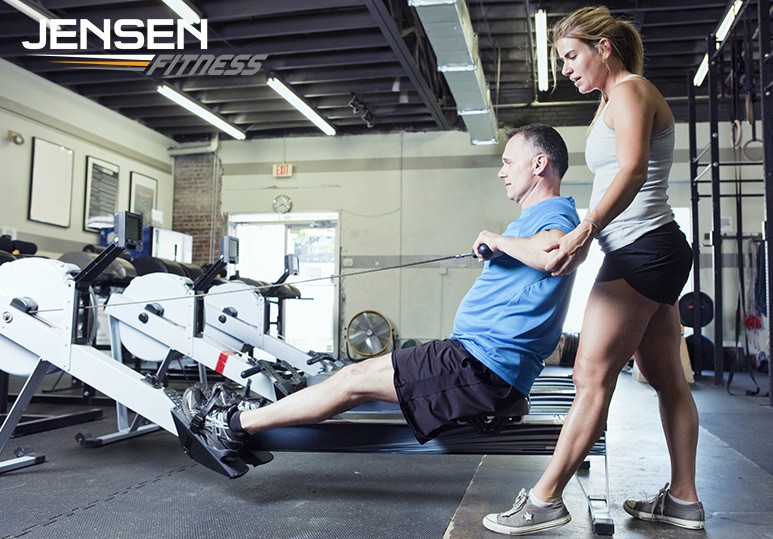
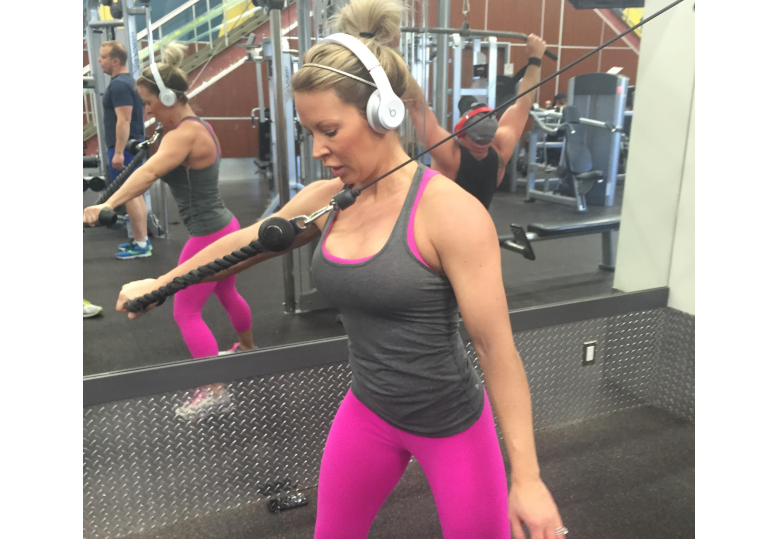
For most women over 40, resistance training should be a priority. Muscle naturally declines with age, making strength training one of the most valuable forms of exercise for preserving lean body mass, supporting metabolism, improving bone density, and maintaining independence later in life.
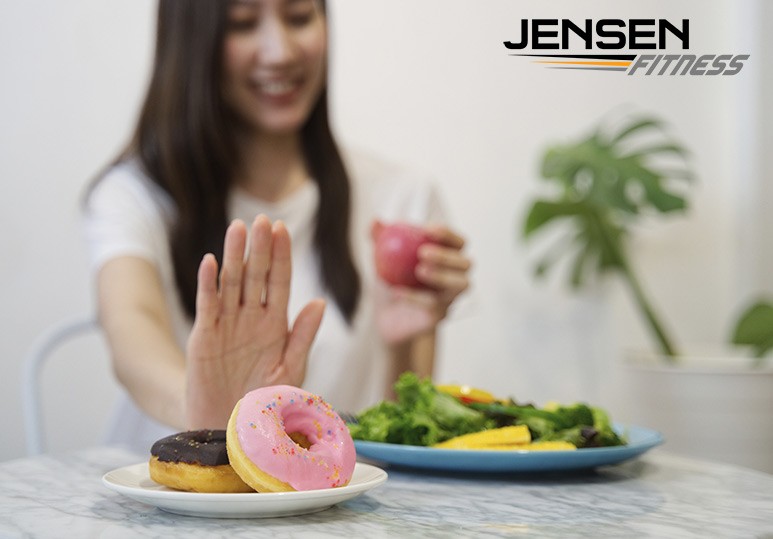
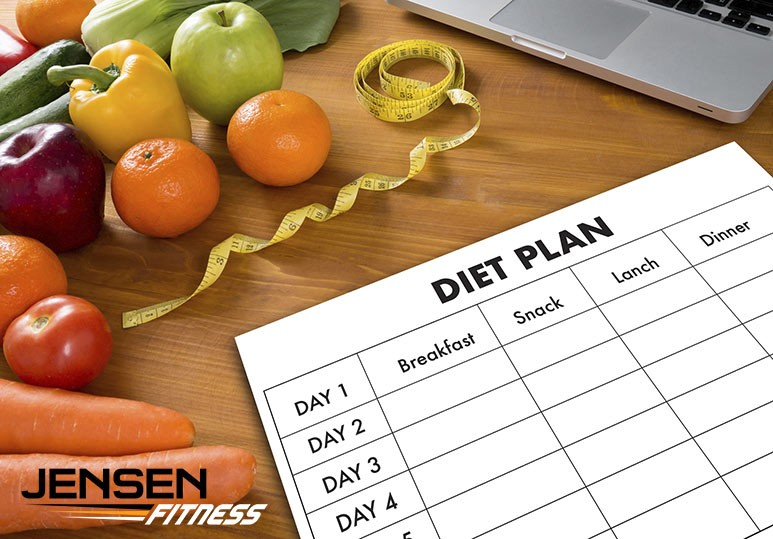
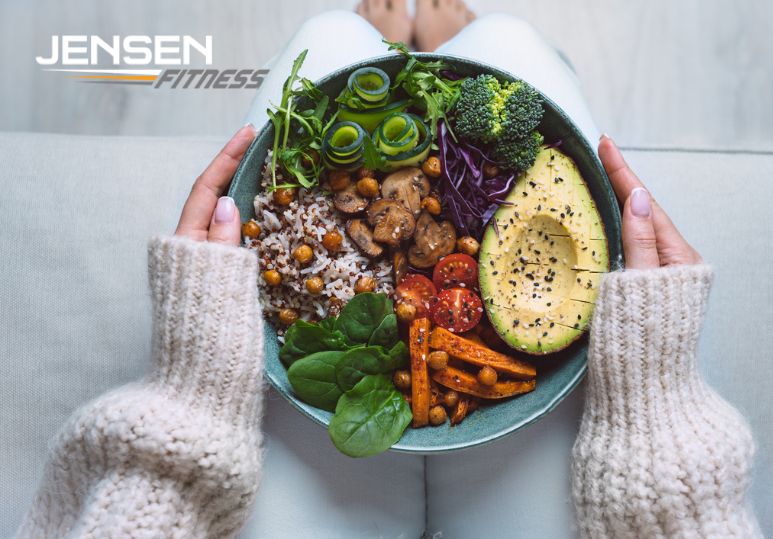
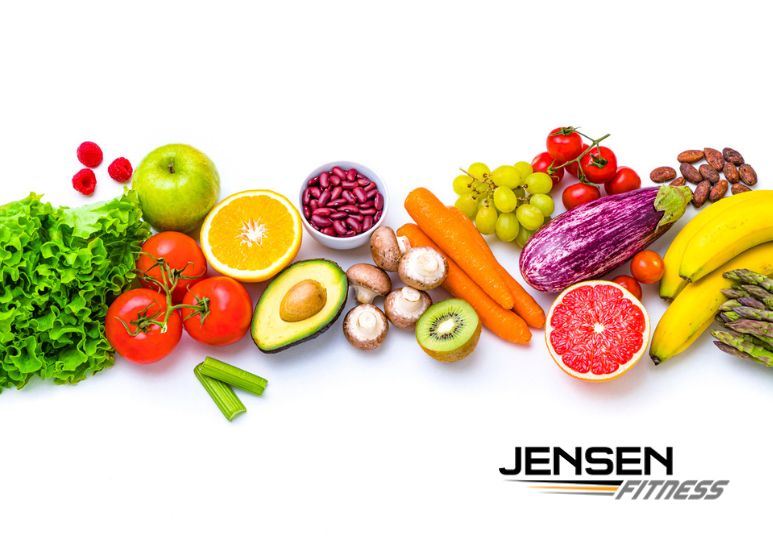
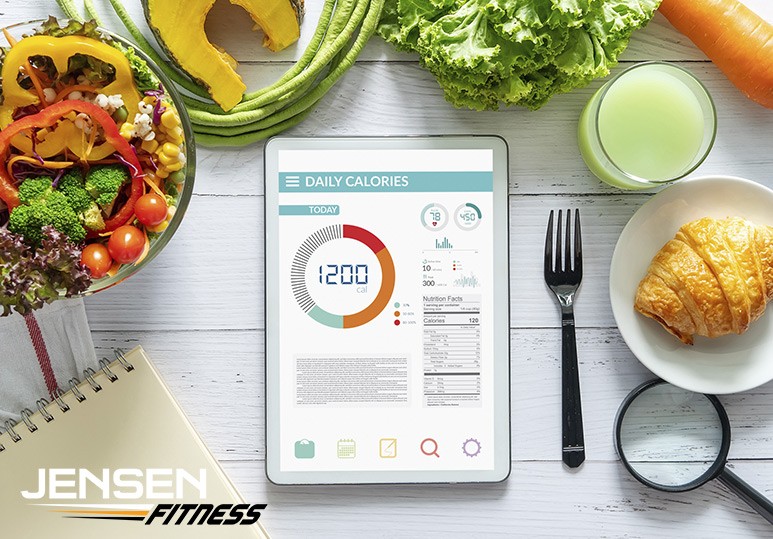
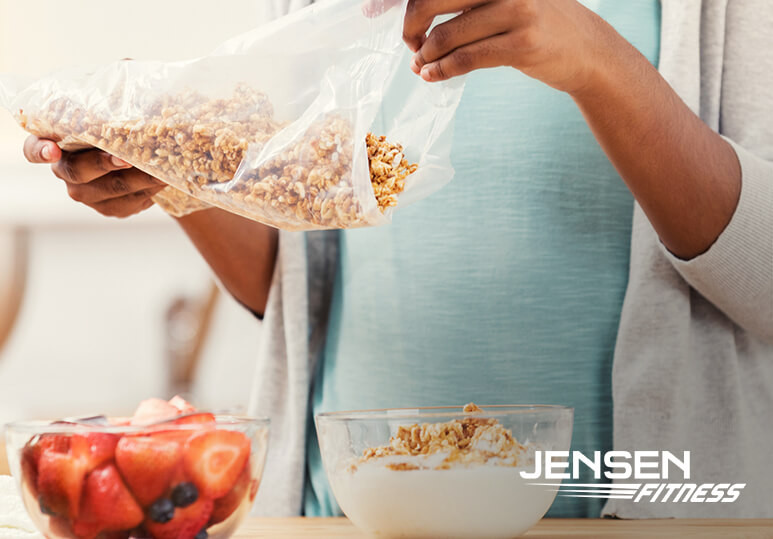
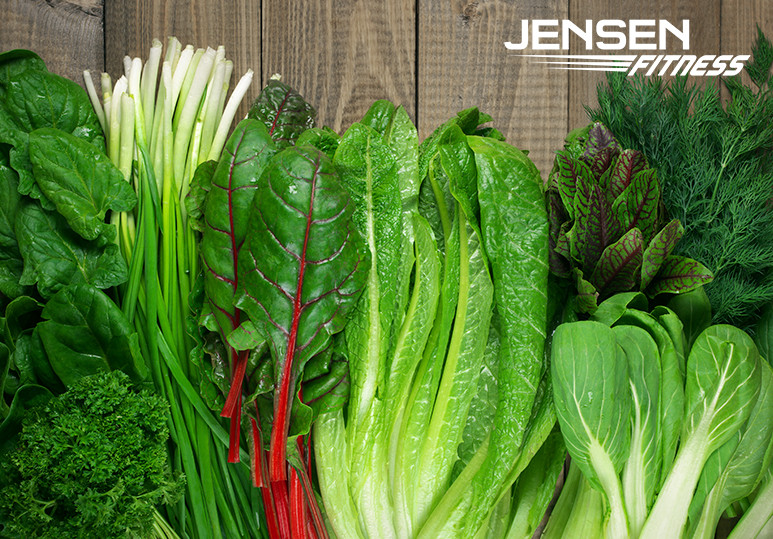
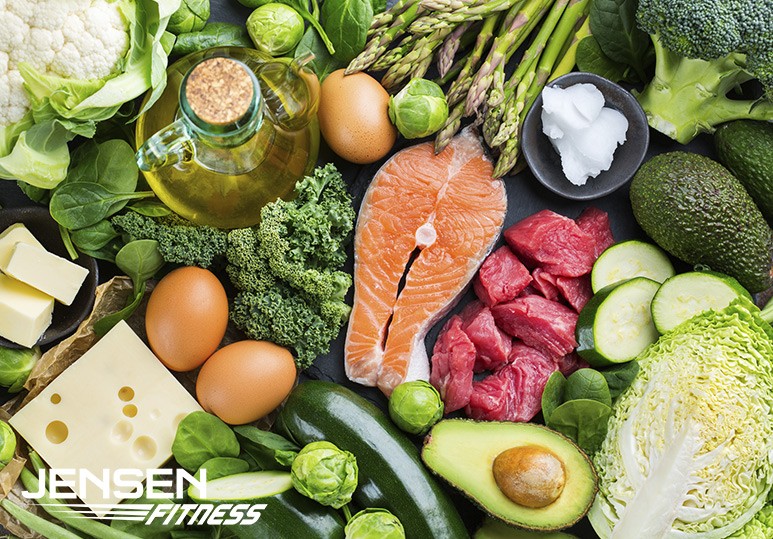
Nutrition is equally important. Rather than following restrictive diets, many women benefit from eating adequate protein, choosing nutrient-dense foods, managing portion sizes, and developing sustainable eating habits that fit their lifestyle.
Quality sleep is another factor that is often overlooked. Poor sleep can influence hunger hormones, reduce recovery, increase fatigue, and make consistent exercise more difficult. Improving sleep habits frequently supports both weight management and hormone health.
A comprehensive lifestyle plan often includes:
- Progressive strength training
- Cardiovascular exercise
- Balanced nutrition
- Adequate protein
- Healthy body weight management
- Stress reduction techniques
- Consistent sleep schedule
- Regular healthcare checkups
Stress management deserves attention as well. Chronic stress may influence eating behaviors, sleep quality, exercise recovery, and overall well-being. Activities such as walking, yoga, meditation, spending time outdoors, and maintaining social connections can all contribute to better health.
Consistency is far more important than perfection. Missing one workout or enjoying an occasional treat will not determine your long-term success. Building habits you can maintain month after month is what creates meaningful and lasting improvements.
If you have already established healthy routines but continue experiencing concerns related to body composition, recovery, or hormone health, discussing your options with a qualified healthcare provider may be appropriate. They can evaluate your symptoms, review your medical history, and determine whether additional therapies, including peptides, should be considered.
It is important to remember that every woman responds differently. Age, hormone levels, medical conditions, medications, genetics, and lifestyle all influence outcomes. A personalized approach is almost always more effective than following generalized advice found online.
Rather than searching for a quick fix, focus on creating habits that improve your health today while continuing to benefit you years from now. Strength training, balanced nutrition, quality sleep, regular movement, stress management, and informed healthcare decisions consistently provide the greatest impact on fat loss, hormone health, and healthy aging.
Peptides may eventually become part of some women's health plans under appropriate medical supervision, but they should complement an already healthy lifestyle rather than replace it. When your foundation is built on sustainable habits, every other intervention has a greater opportunity to support your goals. That balanced approach not only improves body composition and energy but also helps you maintain strength, confidence, mobility, and overall well-being throughout every stage of life.