WHAT EACH PROFESSIONAL DOES
Perimenopause and menopause can bring changes in energy, sleep, mood, body composition, and how your body responds to exercise and food. Because these changes affect so many parts of daily life, it is natural to look for guidance. The challenge is that the titles can sound similar, and each professional works in a different way.
A menopause coach focuses on helping you build sustainable habits that fit your life. This often includes goal setting, accountability, and practical strategies for areas such as movement, nutrition, sleep, and stress. A coach who works with women in midlife understands how this stage can affect motivation and routine, and can help you stay consistent when life gets busy.
A registered dietitian is a regulated health professional who specializes in nutrition. A dietitian can assess your eating patterns, provide personalized nutrition guidance, and help you build an approach that supports your health goals and any medical considerations you may have. Nutrition support can be especially helpful if you have specific dietary needs or are unsure how to adjust your eating as your body changes.
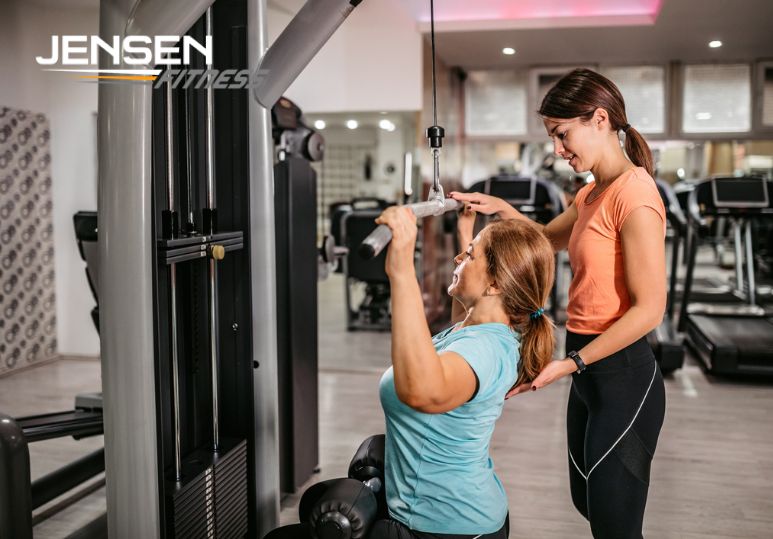
A personal trainer designs and guides your exercise program. This includes teaching safe technique, building strength, improving fitness, and progressing your workouts over time. Strength training is often a priority for women over 40, and a trainer can help you do it safely and effectively.
How the roles generally differ:
- Coach: habits, accountability, and lifestyle planning
- Dietitian: personalized nutrition guidance
- Personal trainer: exercise programming and technique
- Doctor: medical questions and treatment decisions
It is also important to know what none of these roles replace. Coaches, dietitians, and trainers do not diagnose conditions or prescribe hormone treatment. If you have questions about symptoms, hormone therapy, or other medical concerns, a physician or other qualified healthcare provider is the right person to speak with.
Understanding these differences makes it easier to decide where you need the most help right now.
WHEN YOU MAY NEED MORE THAN ONE
Many women find that one type of support covers only part of what they need. Exercise, nutrition, and daily habits are closely connected, and progress in one area can be held back by challenges in another.
For example, a woman who works with a trainer but struggles with energy and cravings may benefit from nutrition guidance. Someone following a thoughtful meal plan may still find it hard to stay consistent without accountability. A woman who feels overwhelmed by conflicting advice may simply need a coach to help her prioritize what matters most.
Thinking about your biggest challenge can help you decide where to start.
You may benefit from a menopause coach if you:
- Feel unsure where to start
- Struggle to stay consistent
- Want accountability and support
- Feel overwhelmed by conflicting advice
- Want a plan that fits your schedule
You may benefit from a registered dietitian if you:
- Have specific nutrition or medical needs
- Want personalized eating guidance
- Are unsure how to adjust your eating
- Want help managing food-related challenges
You may benefit from a personal trainer if you:
- Want a safe, structured strength program
- Are new to exercise or returning after a break
- Need help with technique
- Want your workouts progressed over time
Working with a team that brings these areas together can make the process simpler. When your exercise, nutrition, and habits are planned with the same goals in mind, you avoid mixed messages and can see how each piece supports the others. At Jensen Fitness, personal training, nutrition support, and menopause coaching are designed to work together, so you are not left piecing together advice from different places.
That said, you do not need everything at once. Starting with the area that feels most important and building from there is often more manageable than trying to change everything at the same time.
HOW TO CHOOSE THE RIGHT SUPPORT
Choosing support during perimenopause or menopause comes down to your goals, your challenges, and how you like to work. A few simple questions can help you make a confident decision.
Start by asking what you most want to change. Is it energy, strength, body composition, confidence with food, or simply staying consistent? Your answer can point you toward the type of support that fits best.
Next, consider experience. Look for professionals who understand women in midlife and who can explain how their approach takes this stage of life into account. Ask about credentials, how they personalize plans, and how they measure progress. A good professional will welcome these questions.
Questions worth asking include:
- What is your experience with women in perimenopause and menopause?
- How do you personalize your approach?
- How will we measure progress?
- How do you work with my doctor or other providers?
- What does support look like between sessions?
It also helps to look for a realistic, balanced approach. Be cautious about programs that promise quick fixes, extreme diets, or dramatic results. Sustainable progress usually comes from consistent habits, adequate recovery, and a plan that fits your life.
If you are unsure where to begin, a free consultation can be a useful first step. A conversation about your goals and challenges can help clarify which type of support makes the most sense, and what to focus on first.
Whichever route you choose, remember that you do not have to figure this out alone. The right guidance can make this stage of life feel more manageable and help you build strength, energy, and confidence for the years ahead. If you are ready to explore your options, Jensen Fitness can help you find the right combination of menopause coaching in Calgary, nutrition, and training support for your goals.