WHAT AN ACCOUNTABILITY COACH DOES
Most of us know that we feel better when we move regularly, eat well, and get enough sleep. The challenge is rarely a lack of information. It is following through when work is busy, family needs come first, or motivation simply runs low. This is where an accountability coach can make a real difference.
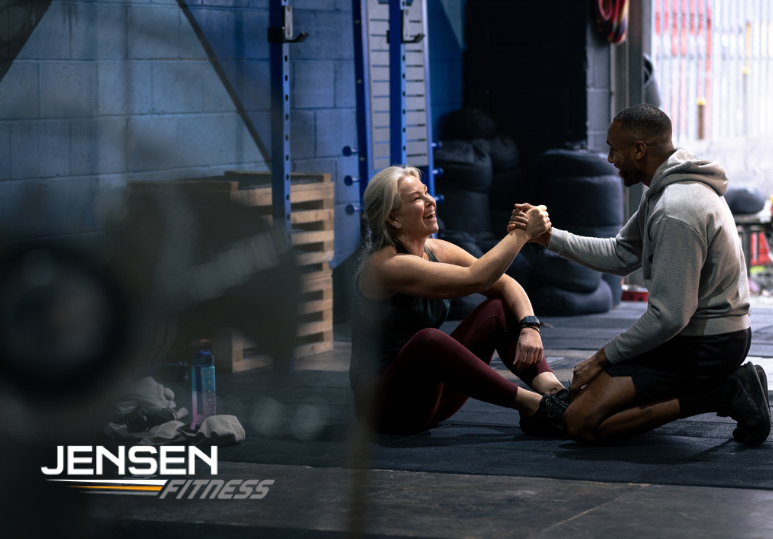
An accountability coach helps you set clear, realistic goals and then supports you in following through on them. This usually involves regular check-ins, honest conversations about what went well and what did not, and practical adjustments so your plan keeps working as your life changes. The aim is not to criticize or pressure you. It is to help you stay on track and build habits that last.
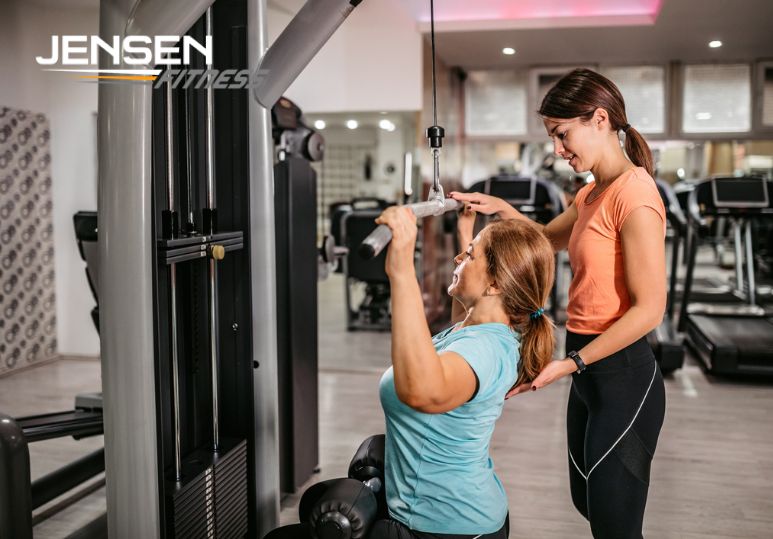
It also helps to understand how the role differs from a personal trainer. A personal trainer designs and guides your workouts, teaches technique, and progresses your training. An accountability coach focuses more on consistency, habits, and follow-through across your whole routine, including movement, nutrition, sleep, and stress. Many women benefit from both, and at Jensen Fitness these types of support are designed to work together.
An accountability coach typically helps you:
- Set clear, realistic goals
- Break goals into weekly steps
- Check in on progress regularly
- Problem-solve obstacles
- Stay consistent when motivation dips
- Adjust your plan when life changes
It is also worth knowing what accountability coaching does not do. A coach does not diagnose conditions, prescribe treatment, or replace medical care. If you have health concerns or questions about symptoms, speak with your doctor or another qualified healthcare provider.
With a clearer picture of what the role involves, it becomes easier to decide when it might be the right fit for you.
WHEN ACCOUNTABILITY HELPS MOST
Accountability is especially helpful when you already know what to do but find it hard to do it consistently. Many women describe starting strong, then losing momentum after a few weeks. Having someone to check in with changes that pattern because progress becomes something you are working on together instead of something you carry alone.
It can also help during busy or stressful seasons of life. When your schedule is full, a short, regular check-in can keep healthy habits from slipping off your list entirely. For women in perimenopause and menopause, changes in sleep, energy, and recovery can make consistency harder, and a coach who understands this stage of life can help you adjust your plan instead of giving up.
Accountability coaching may help if you:
- Start strong but struggle to stay consistent
- Know what to do but have trouble doing it
- Feel overwhelmed by conflicting advice
- Have tried solo programs that did not stick
- Want regular support and encouragement
- Are balancing a demanding schedule
Research and everyday experience both suggest that support makes it easier to follow through, and many women find coaching more effective than going it alone. You can read more about this in our article on why women succeed faster with coaching than solo programs.
There are also times when accountability alone is not enough. If you have specific nutrition needs, a medical condition, an injury, or you are new to strength training and need hands-on instruction, a registered dietitian, a personal trainer, or your doctor may need to be part of your plan. A good coach will tell you when another professional would serve you better.
HOW TO CHOOSE AND WHAT TO EXPECT
If you decide accountability coaching is right for you, a few simple questions can help you choose well. Start with experience. Look for a coach who understands the challenges women face in midlife and can explain how they personalize their approach.
Questions worth asking include:
- How do you set goals with clients?
- How often do we check in?
- How do you handle setbacks?
- How do you measure progress beyond the scale?
- How do you work with my doctor or other providers?
It also helps to know what a healthy coaching relationship feels like. You should feel supported, not judged. Your coach should listen, ask good questions, and help you adjust your plan when something is not working. Setbacks are a normal part of the process, and the goal is to return to your habits quickly instead of aiming for perfection.
Be cautious about programs that promise fast results, rely on shame or extreme restriction, or leave you feeling worse about yourself. Sustainable progress comes from consistent habits, realistic expectations, and support that respects where you are in life.
Progress can also be measured in many ways. Strength, energy, sleep, mood, and how your clothes fit are all meaningful signs that your habits are working, and they often improve before the scale changes.
If you are curious whether accountability coaching is right for you, a free consultation is a good first step. A conversation about your goals and challenges can help clarify what kind of support would help most. Jensen Fitness offers accountability and coaching alongside personal training, nutrition support, and menopause coaching in Calgary, so you can build a plan that fits your life and keeps you moving forward.