FIND WHAT'S TRIGGERING YOUR HOT FLASHES
One of the most useful places to start is learning what tends to trigger your hot flashes.
Not every woman has the same triggers. Some women notice that symptoms appear more often after drinking coffee or alcohol, eating spicy foods, experiencing stress, spending time in a warm environment, or wearing heavy clothing. The National Institute on Aging recommends paying attention to possible triggers so you can make more informed decisions about managing symptoms.
Keeping a simple symptom log for a few weeks may help you notice patterns.
You can track:
- When a hot flash occurs
- What you ate or drank beforehand
- Whether you were exercising
- How well you slept
- Your stress level
- The temperature of your environment
- How intense the hot flash felt
You do not need to remove every possible trigger immediately.
Instead, look for patterns that repeatedly appear. If you notice hot flashes consistently after an afternoon coffee, for example, you could experiment with reducing caffeine or moving it earlier in the day.
Alcohol and spicy foods may also trigger symptoms for some women, although responses vary. Mayo Clinic and the National Institute on Aging both identify caffeine, alcohol, and spicy foods among possible triggers worth monitoring.
Temperature management can make a noticeable difference as well.
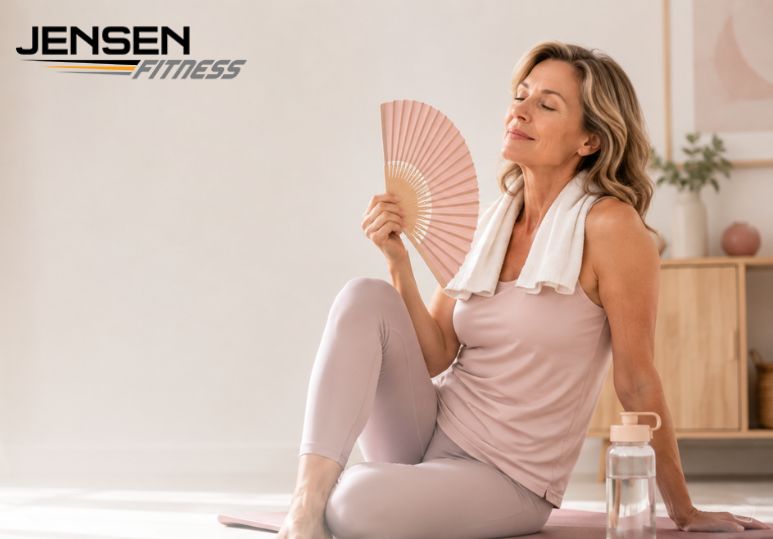
Wearing breathable clothing and dressing in layers allows you to cool down quickly when a hot flash begins. Keeping a fan nearby, lowering your bedroom temperature, sipping a cold drink, or using lighter bedding may also help you feel more comfortable.
Nighttime hot flashes can be particularly frustrating because they may interrupt sleep.
A cooler bedroom, breathable sleepwear, and lightweight bedding can make it easier to manage sudden temperature changes. While these adjustments may not prevent every episode, they can reduce discomfort and make it easier to return to sleep.
The important thing is to approach these changes as experiments rather than strict rules.
Menopause is highly individual. What works for one woman may have little effect for another, which is why paying attention to your own patterns is more useful than following a generic list of restrictions.
SUPPORT YOUR BODY EVERY DAY
Hot flashes are only one part of the menopausal transition. Sleep disruption, fatigue, changes in appetite, mood changes, and shifts in body composition can all influence how you feel from day to day.
This is where a strong lifestyle foundation becomes valuable.
Regular physical activity supports overall health during menopause. While exercise is not guaranteed to eliminate hot flashes, it can support cardiovascular health, strength, mood, sleep, and long-term weight management. ACOG and Mayo Clinic both include lifestyle habits alongside other approaches for managing menopause symptoms.
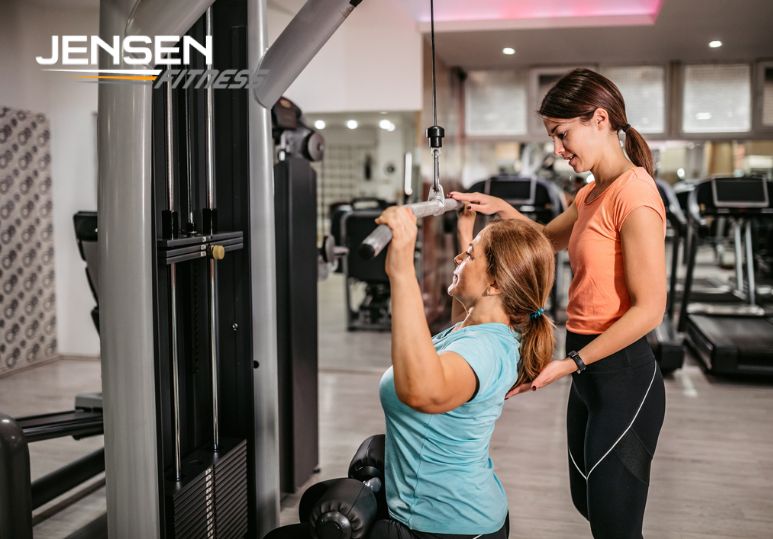
Strength training is particularly valuable during midlife.
Women naturally become more vulnerable to age-related muscle loss over time, which is why maintaining resistance training can support strength, mobility, body composition, and daily function.
A sustainable routine may include:
- Two to four strength-training sessions each week
- Regular walking
- Moderate cardiovascular exercise
- Mobility or flexibility work
- Planned recovery days
The exact routine should depend on your current fitness level, symptoms, schedule, and recovery capacity.
Some women make the mistake of responding to menopause symptoms by exercising harder while eating less. If hot flashes are already disrupting sleep and reducing energy, adding excessive training can make the routine harder to maintain.
A better approach is usually consistency.
You want enough exercise to challenge your body without creating a schedule that leaves you constantly exhausted.
Nutrition matters too.
Balanced meals can support steady energy throughout the day and make it easier to recover from exercise. Rather than chasing a complicated “menopause diet,” focus on reliable fundamentals such as protein, vegetables, fruit, fibre-rich carbohydrates, healthy fats, and adequate hydration.
Protein deserves particular attention because it supports muscle maintenance and recovery.
Hydration can also become more important if hot flashes or night sweats leave you feeling overheated or sweaty. Keeping water nearby throughout the day is a simple habit that can support comfort and overall well-being.
Sleep should also remain a priority.
Hot flashes and night sweats can make consistent sleep difficult, which may affect hunger, mood, exercise performance, and concentration the following day.
When sleep is poor, it can help to adjust training rather than abandon it completely. A shorter workout, lighter strength session, or walk may be more appropriate than forcing an intense workout when your body is already fatigued.
That flexibility is an important part of sustainable menopause fitness.
REDUCE STRESS AND BUILD CONSISTENCY
Stress does not cause menopause, but it can make an already uncomfortable day feel more difficult.
Some women notice that hot flashes become more noticeable during stressful situations. Relaxation techniques may help reduce distress and improve overall well-being, although evidence for directly reducing hot flashes is mixed. Mayo Clinic notes that practices such as meditation, slow breathing, stress-management techniques, and guided imagery may provide benefits, particularly around sleep and stress.
The goal does not need to be eliminating stress completely.
That is rarely realistic.
Instead, try creating small recovery habits that can fit into your day.
These might include:
- A short walk outdoors
- Five minutes of slow breathing
- Stretching before bed
- Taking breaks from screens
- Journaling
- Quiet time before sleep
- Planning workouts in advance
- Leaving room for recovery
These habits may seem small, but they can make your overall routine feel much more manageable.
Health coaching can be useful because menopause often creates inconsistency. One week you may feel energetic and motivated, while the next may involve poor sleep, hot flashes, and lower energy.
Without a flexible plan, it can be easy to fall into an all-or-nothing cycle.
You miss a few workouts, feel like you have failed, and then abandon the routine entirely.
Coaching helps create a middle ground.
At Jensen Fitness, we help women develop realistic strategies around exercise, nutrition, daily movement, recovery, and accountability. Instead of expecting every week to look identical, the goal is to create habits that can adapt when symptoms change.
That may mean completing a full strength workout on a high-energy day and choosing a walk or lighter session after a difficult night.
Both still count.
It is also important to recognize when lifestyle changes are not enough.
Hot flashes can range from mildly annoying to severely disruptive. If they are affecting your ability to sleep, work, exercise, or enjoy everyday life, it is worth speaking with a qualified healthcare provider. ACOG notes that hormone therapy and nonhormonal medications can be effective options depending on the individual.
Natural strategies can be a useful part of menopause management, but they do not need to be the only option.
The most effective approach is the one that helps you feel better while supporting your overall health.
At Jensen Fitness, we focus on the areas you can influence every day. Strength training, balanced nutrition, regular movement, stress management, hydration, sleep habits, and realistic expectations can all help create a stronger foundation during menopause.
Hot flashes may be unpredictable, but your entire routine does not have to be.
With the right support and a flexible approach, you can continue building strength, improving your health, and feeling more confident throughout menopause and beyond.