HOW LONG DOES PERIMENOPAUSE LAST?
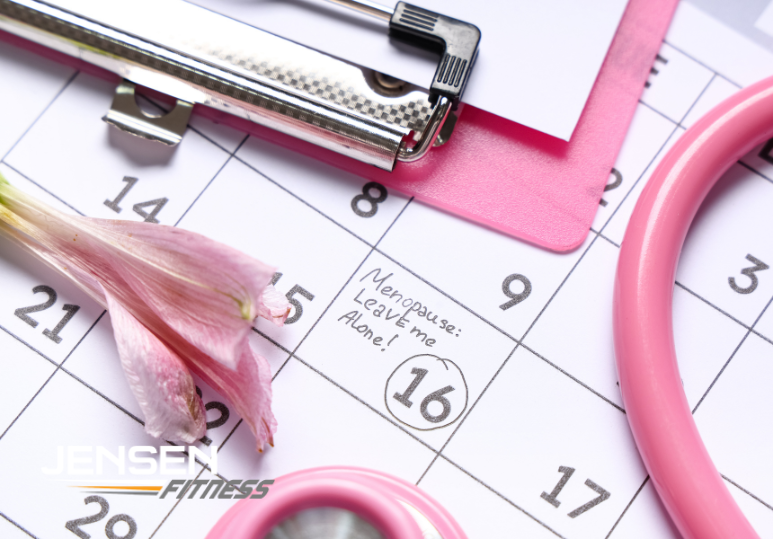
Perimenopause is the period leading up to menopause, when hormone production and menstrual cycles begin changing. According to the American College of Obstetricians and Gynecologists, perimenopause commonly begins in the mid-40s, although timing varies considerably from woman to woman.
The transition does not happen overnight.
Mayo Clinic notes that perimenopause can last approximately two to eight years, with the average being around four years. Some women may experience a shorter transition, while others notice changes for considerably longer.
One reason the timeline can be confusing is that symptoms are not always consistent.
A woman might experience irregular periods and sleep problems for several months, followed by a period when symptoms seem to settle down. Later, hot flashes, mood changes, fatigue, or other symptoms may become more noticeable.
Common signs during this stage can include:
- Irregular menstrual cycles
- Heavier or lighter periods
- Hot flashes
- Night sweats
- Sleep disruption
- Mood changes
- Brain fog
- Changes in energy
- Vaginal dryness
- Changes in body composition
- Difficulty managing weight
Changes in menstrual bleeding are often among the first noticeable signs of perimenopause. Cycles may become longer or shorter, periods may be skipped, and flow may become lighter or heavier.
Because perimenopause is gradual, there is no single symptom or test that can always determine exactly when it begins. Healthcare professionals typically consider factors such as age, menstrual history, symptoms, and other changes occurring in the body.
That uncertainty can be frustrating, especially for women who feel like their bodies suddenly stopped responding to routines that worked for years.
Understanding that perimenopause can last several years makes it even more important to build habits that are sustainable rather than trying to temporarily “push through” the transition.
WHAT HAPPENS DURING ITS TIMELINE
Perimenopause often becomes more noticeable as menstrual cycles become increasingly irregular.
Early in the transition, a woman might notice subtle changes such as slightly different cycle lengths, disrupted sleep, or occasional hot flashes. As perimenopause progresses, skipped periods and longer gaps between cycles may become more common.
Eventually, periods stop altogether.
Menopause is officially reached once a woman has gone 12 consecutive months without a menstrual period. At that point, perimenopause has ended.
However, reaching menopause does not necessarily mean every symptom immediately disappears.
Hot flashes, sleep disturbances, changes in mood, and other symptoms can continue into postmenopause. The duration and intensity are different for every woman.
This variability is one reason comparing your experience to friends, family members, or people online can be misleading.
One woman may experience a relatively short and mild transition, while another may experience significant symptoms for several years.
Your lifestyle can also influence how manageable this period feels.
For example, poor sleep may make fatigue, hunger, cravings, and workout recovery more difficult. High stress may make it harder to maintain consistent routines. Reduced physical activity can contribute to changes in strength and body composition.
Instead of trying to control every symptom, it can be more productive to focus on habits that support overall health throughout the transition.
These may include:
- Strength training consistently
- Walking regularly
- Eating enough protein
- Building balanced meals
- Prioritizing sleep when possible
- Managing stress
- Staying hydrated
- Allowing adequate recovery
A flexible routine becomes especially valuable because symptoms may vary from week to week.
You may feel strong and energetic one week and noticeably more fatigued the next. That does not mean your program is failing. It may simply mean that your training and recovery need to adjust temporarily.
HOW COACHING CAN SUPPORT YOU
One of the biggest challenges during perimenopause is figuring out how to adapt when your body starts responding differently.
Women may notice that losing weight becomes more difficult, intense workouts leave them feeling more depleted, or poor sleep makes it harder to stay motivated.
A common reaction is to increase exercise while eating less.
Unfortunately, becoming more restrictive is not always the most sustainable solution.
Health coaching can help create a more balanced approach by looking at your habits as a whole rather than focusing only on calories or the number on the scale.
At Jensen Fitness, coaching can help women build routines around strength training, nutrition, movement, sleep, recovery, and realistic goal setting.
Instead of expecting perfect consistency, the focus is on creating habits that can continue even when symptoms fluctuate.
Strength training can become an important part of that strategy.
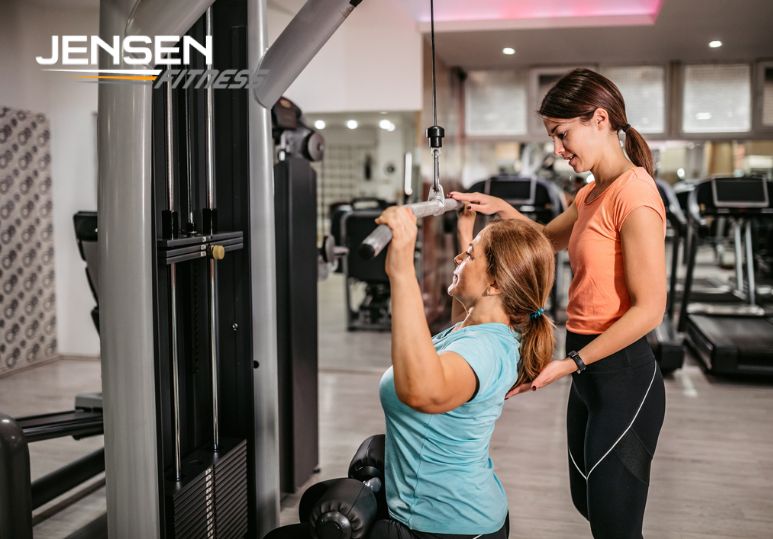
Maintaining muscle becomes increasingly valuable as women move through midlife. A progressive resistance-training routine can support strength, physical function, body composition, and long-term independence.
Nutrition matters as well.
Eating enough protein throughout the day can support muscle recovery and help meals feel more satisfying. Fruits, vegetables, fibre-rich carbohydrates, and healthy fats can help create a balanced eating pattern that provides energy without relying on restrictive dieting.
Daily movement also does not need to be complicated.
Walking can be an effective way to remain active without adding another demanding workout. It can fit into busy schedules, be adjusted according to energy levels, and complement strength training.
Recovery may be one of the most underestimated parts of the process.
Sleep problems are common during the menopausal transition, and the National Institute on Aging recommends maintaining consistent sleep and wake times as one strategy for supporting sleep during menopause.
When sleep is poor, your exercise plan may need to become more flexible rather than more aggressive.
The goal is not to use coaching to eliminate every symptom. Medical symptoms should always be discussed with an appropriate healthcare professional, particularly when they are severe, unusual, or interfering with everyday life.
Coaching instead provides structure around the lifestyle habits you can control.
Perimenopause may last several years, which is exactly why short-term extremes rarely make sense. You need an approach that can evolve alongside your body.
At Jensen Fitness, we help women create sustainable fitness and nutrition strategies that support strength, energy, confidence, and weight-management goals throughout perimenopause and beyond.
You may not be able to control exactly how long perimenopause lasts, but you can build habits that help you feel stronger and more prepared throughout the transition.