BUILDING HEALTHY DAILY HABITS
One of the most helpful things women can do during perimenopause is build a strong foundation of daily habits.
Hormonal fluctuations can make energy, sleep, appetite, and motivation feel inconsistent. That unpredictability can make rigid plans difficult to maintain. A routine that allows flexibility is often more sustainable than one that expects perfect consistency every day.
Start with movement.
Regular physical activity supports cardiovascular health, muscle strength, mobility, mood, and overall fitness. Walking is one of the simplest ways to stay active and can be adjusted easily based on how you feel.
On higher-energy days, you may be able to complete a full workout. On lower-energy days, a walk, light mobility session, or shorter workout may be more appropriate.
Both still support consistency.
Hydration is another simple habit that can make a difference. Hot flashes and night sweats may leave some women feeling overheated or dehydrated, especially during warmer weather or after exercise. Keeping water nearby throughout the day can help make hydration easier to maintain.
Meal consistency can also support energy and appetite.
Skipping meals or eating too little earlier in the day may contribute to increased hunger, cravings, or overeating later. Balanced meals that contain protein, vegetables, fibre-rich carbohydrates, and healthy fats can help create a more stable routine.
Some women also notice that certain foods or drinks seem to make symptoms more noticeable.
Common triggers can include:
- Caffeine
- Alcohol
- Spicy foods
- Large meals
- Hot drinks
This does not mean every woman needs to eliminate these foods completely.
Instead, pay attention to your own patterns. If a certain drink or meal regularly seems to coincide with hot flashes, poor sleep, or discomfort, you can experiment with reducing or adjusting it.
The goal is not restriction.
The goal is awareness.
Daily habits are most effective when they are simple enough to repeat consistently. Trying to change everything at once often creates more stress and makes it harder to maintain progress.
A better strategy is to choose a few priorities and build from there.
SUPPORTING STRENGTH AND ENERGY
Changes in strength, muscle, and body composition can become more noticeable during midlife.
This is one reason strength training becomes increasingly valuable during perimenopause.
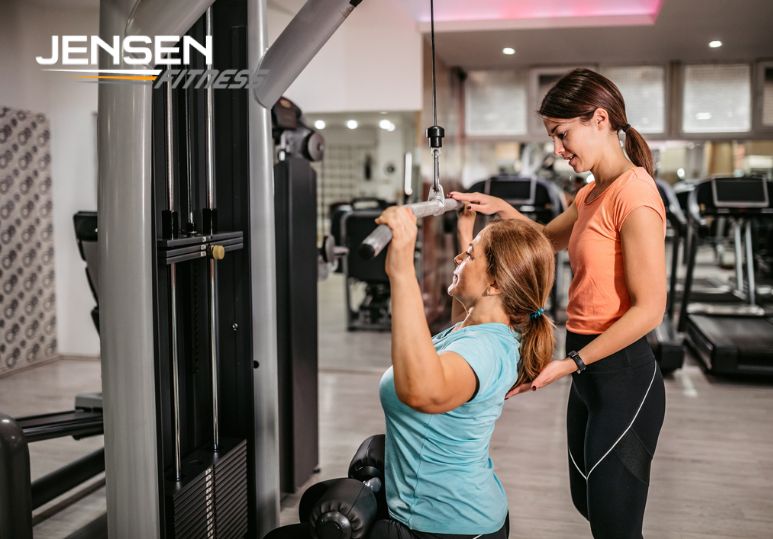
Rather than focusing only on calorie burning, resistance training helps give the body a reason to maintain and build lean muscle. Muscle supports mobility, physical function, metabolism, and long-term independence.
A sustainable strength routine does not need to involve daily intense workouts.
Many women can make meaningful progress with a few structured strength sessions each week, combined with regular walking and appropriate recovery.
Exercises might include movements such as:
- Squats
- Hinges
- Rows
- Presses
- Carries
- Lunges
The exact exercises should depend on your experience, mobility, goals, and any existing injuries or limitations.
Progressive training is important.
That means gradually increasing resistance, repetitions, control, or exercise difficulty over time instead of repeating the exact same workout indefinitely.
Nutrition should support that training.
Protein is particularly important because it supports muscle repair and recovery. Including a source of protein in meals and snacks can make it easier to meet daily needs without relying on one large serving at the end of the day.
Balanced nutrition can also help support energy.
Perimenopause is not the ideal time to rely on extremely restrictive diets.
Eating too little while increasing exercise can leave women feeling more tired, make workouts harder to recover from, and create a routine that is difficult to sustain.
A better approach is to focus on meal quality, portion awareness, protein, fibre, and consistency.
Weight management may still be a goal, but progress does not need to come from aggressive restriction.
Small, sustainable changes are often easier to maintain over the long term.
Energy levels may also change from day to day.
This is where flexibility becomes important.
You do not need every workout to be your best workout. Some sessions will feel strong, while others may require lighter weights, fewer exercises, or more recovery.
That does not mean progress has stopped.
It means the plan is adapting to your current needs.
IMPROVING SLEEP AND RECOVERY
Sleep can become one of the biggest challenges during perimenopause.
Hot flashes, night sweats, stress, anxiety, and hormonal changes can all make it harder to fall asleep or stay asleep. Poor sleep can then affect hunger, mood, concentration, exercise performance, and motivation the next day.
Improving sleep habits can help create a more stable foundation.
Try keeping bedtime and wake time reasonably consistent. A predictable routine can help signal to the body that it is time to wind down.
Your sleep environment matters too.
A cooler room, lightweight bedding, breathable clothing, and a fan may help if temperature changes are waking you during the night.
Evening habits can also make a difference.
Reducing screen time before bed, limiting late caffeine, creating a quieter routine, and avoiding very intense workouts right before sleep may help some women feel more settled.
Stress management is equally important.
Perimenopause often overlaps with a busy stage of life. Work demands, family responsibilities, caregiving, and personal stress can all add pressure.
You do not need to eliminate stress completely.
That is not realistic.
Instead, look for small ways to reduce the load.
This might include:
- Walking outdoors
- Stretching
- Slow breathing
- Journaling
- Quiet time
- Planning ahead
- Taking recovery days
These small habits can help make your overall routine feel more manageable.
Health coaching can be especially valuable because symptoms are rarely consistent.
One week may feel manageable, while the next includes poor sleep, low energy, cravings, and reduced motivation.
Without a flexible strategy, it can be easy to fall into all-or-nothing thinking.
You may miss one workout and feel like the entire week is ruined.
A more sustainable approach is to adjust.
If you slept poorly, you may choose a lighter workout instead of skipping movement completely. If your appetite feels higher, you can focus on protein, vegetables, and balanced meals rather than trying to compensate by barely eating the next day.
These small decisions help create consistency.
At Jensen Fitness, we help women build routines that support strength, nutrition, recovery, movement, and realistic weight-management goals throughout perimenopause.
Lifestyle changes may not eliminate every symptom, and some symptoms may require medical evaluation or treatment.
But the habits you build can still have a meaningful impact on how you feel.
Perimenopause is a transition, and your routine may need to change along with it.
The goal is not to fight your body.
The goal is to understand what it needs now and create a plan that helps you feel stronger, more capable, and more confident for the years ahead.