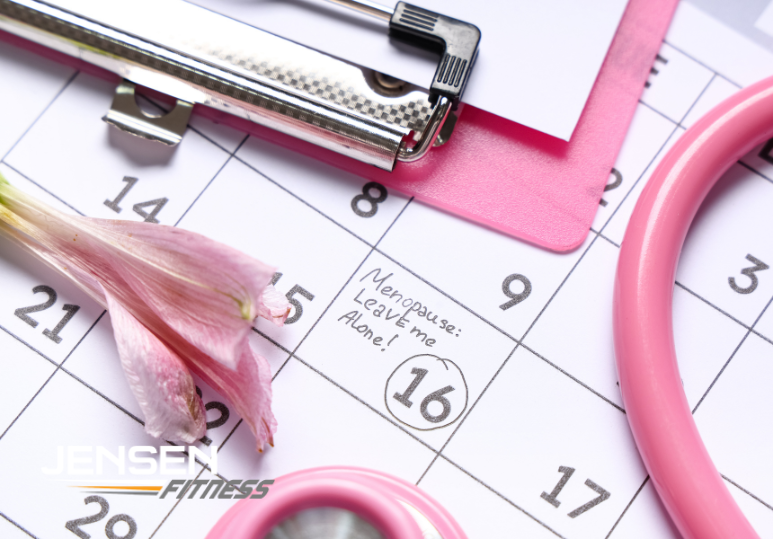
UNDERSTANDING PERIMENOPAUSE
Perimenopause is the period leading up to menopause when hormone levels, particularly estrogen and progesterone, begin to fluctuate. Although menopause officially occurs after 12 consecutive months without a menstrual period, perimenopause can begin several years earlier.
For many women, perimenopause starts in their 40s, although some may notice changes in their mid to late 30s. This stage can last anywhere from a few years to more than a decade, with symptoms varying significantly from person to person.
During this time, the ovaries gradually produce less estrogen, affecting many systems throughout the body. These hormonal fluctuations influence far more than reproductive health and can impact metabolism, brain function, heart health, sleep, emotions, and muscle maintenance.
Recognizing these changes early allows women to make informed lifestyle adjustments that support both short-term comfort and long-term health.
EARLY SIGNS YOU SHOULDN'T IGNORE
Perimenopause symptoms often appear gradually, making them easy to overlook. Some women experience only a few mild symptoms, while others notice significant physical and emotional changes.
Common early signs include:
- Irregular menstrual cycles
- Hot flashes or night sweats
- Difficulty sleeping
- Mood swings
- Increased anxiety or irritability
- Brain fog or difficulty concentrating
- Fatigue despite getting enough rest
- Weight gain, particularly around the abdomen
- Reduced muscle mass
- Lower libido
- Vaginal dryness
- Headaches
- Joint aches and stiffness
Not every woman experiences all of these symptoms, and their severity can change from month to month as hormone levels fluctuate.
One of the biggest misconceptions is that irregular periods are the only indicator of perimenopause. In reality, sleep disturbances, persistent fatigue, increased stress sensitivity, and unexplained weight changes often appear years before menstrual changes become obvious.
Many women spend years searching for answers before realizing their symptoms are connected to hormonal changes.
HOW COACHING CAN HELP YOU THRIVE
Although perimenopause is a natural stage of life, that doesn't mean women need to simply "push through" uncomfortable symptoms. The right guidance can make this transition far more manageable.
Perimenopause coaching focuses on helping women understand how lifestyle habits influence hormonal health and overall well-being.
A personalized coaching plan may include:
- Nutrition strategies that support hormonal balance
- Exercise recommendations focused on strength and energy
- Stress management techniques
- Sleep improvement strategies
- Healthy weight management
- Goal setting and accountability
- Education about hormonal changes
- Sustainable daily routines
Rather than following restrictive diets or generic wellness advice, coaching provides practical strategies that fit your unique symptoms, schedule, and lifestyle.
Many women discover that even small, consistent adjustments can improve their energy, confidence, and quality of life throughout perimenopause.
If you've noticed changes that don't feel like your normal self, you're not imagining them. Understanding the early signs of perimenopause is the first step toward taking control of your health. With personalized coaching and evidence-based lifestyle strategies, you can feel stronger, healthier, and more confident throughout every stage of the menopause transition.